What robots.txt Has to Do With Your Sitemap
robots.txt is the first file a crawler asks for. Before fetching a single page, a well-behaved bot requests yourstore.com/robots.txt to find out which paths it is allowed to visit. It is a plain text file at the root of your domain, and anyone can read it.
Alongside its Allow and Disallow rules, robots.txt supports a Sitemap: directive — a line carrying the full URL of your sitemap. It is the standard, crawler-agnostic way of saying "the index of this site lives here", so a bot does not have to guess the URL or wait for you to submit it somewhere. Google, Bing, and the AI crawlers all understand it.
This page is only about that Sitemap: line. If you want the wider picture on controlling which AI crawlers reach your content, our guide to robots.txt for AI bots covers the user-agent rules in detail.
Good News: It's Already There by Default
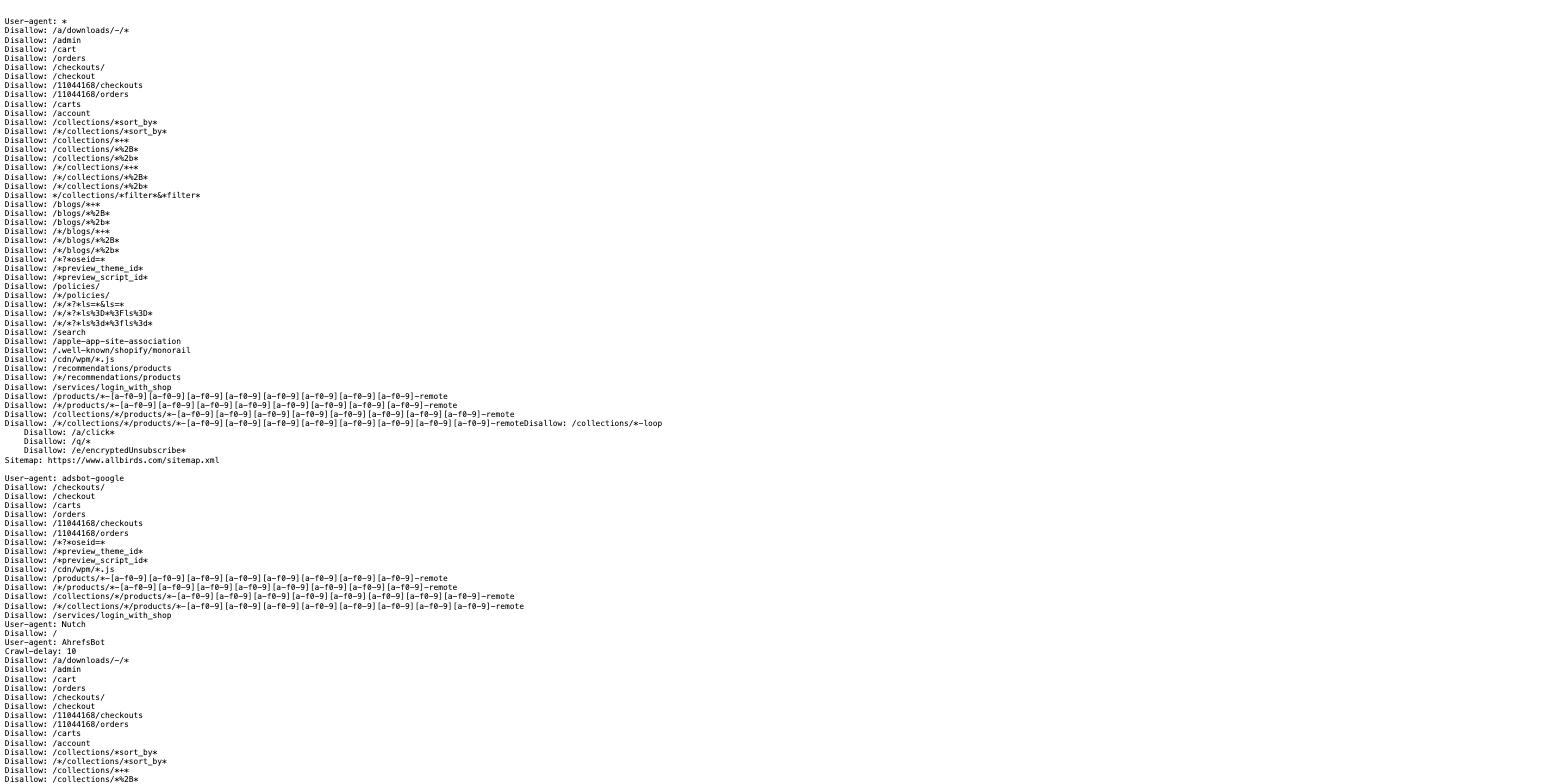
Shopify generates robots.txt automatically, and the default file already ends with a Sitemap: line pointing at your store's sitemap.xml. You do not have to add it. For the overwhelming majority of stores there is nothing to do on this page beyond confirming it is there.
To check, open yourstore.com/robots.txt in your browser and scroll to the bottom. You are looking for a line reading Sitemap: https://yourstore.com/sitemap.xml. If it is present, Google, Bing, and every AI crawler that reads robots.txt already know where your sitemap lives — no theme edit required.